
"produced in Ethiopia"
10000 article(s) found

Ethiopia, the largest producer of coffee in Africa.
Coffee grading and quality control system in Ethiopia, coffee grading and quality control system is divided into three levels: producer, regional and national. All coffee is inspected by local inspection agencies before leaving the country of origin, and then re-tested at the coffee inspection and grading centers in Addis and Diredawa to determine its quality grade. Coffee is graded before auction and sale

Description of Flavor and Taste of Coffee Variety in Ethiopia Coffee Manor
Ethiopia is an ancient country with a history of 3000 years of civilization. The Hamite people who immigrated from the southern Arabian Peninsula were the earliest inhabitants. Monlinique I reigned in 975 BC. The Kingdom of Nubia was established in the 8th century BC. From the 1st century to 976 AD, the Ethiopian Empire, also known as the Kingdom of Aksum, was established in Aksum in the north. Christianity was introduced into Ethiopia in the 4th and 5th centuries.
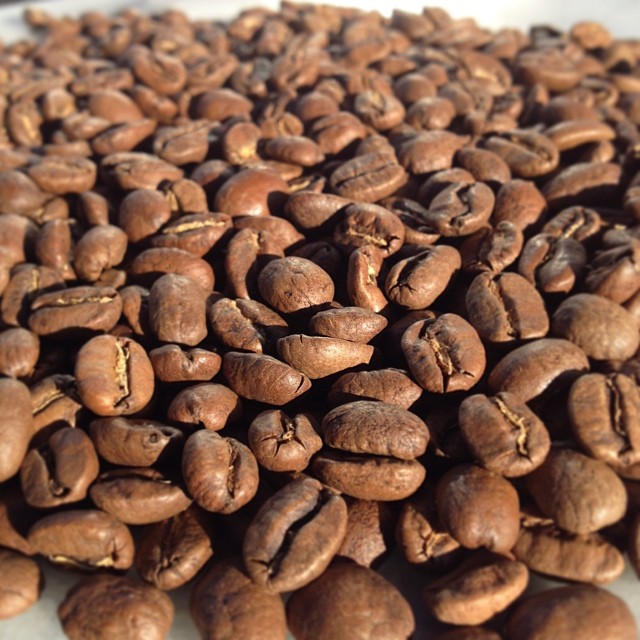
Natural fermentation and Solar Ethiopian Coffee Flavor, characteristics, texture and Manor introduction
Ethiopia has unique natural conditions suitable for growing all imaginable varieties of coffee. As a upland crop, Ethiopian coffee beans are mainly grown in areas between 1100 and 2300 meters above sea level, roughly distributed in southern Ethiopia. Deep soil, well drained soil, weakly acidic soil, laterite and soil are soft and contain

Natural fermented and mellow Ethiopian coffee flavor, characteristics, taste and manor introduction
Ethiopia has unique natural conditions suitable for growing all imaginable varieties of coffee. As a upland crop, Ethiopian coffee beans are mainly grown in areas between 1100 and 2300 meters above sea level, roughly distributed in southern Ethiopia. Deep soil, well drained soil, weakly acidic soil, laterite and soil are soft and contain

Ethiopia single Manor Project | native species of Bita Manor in Kafa Forest region
Professional coffee knowledge exchange more coffee bean information please follow Coffee Workshop (Wechat official account cafe_style) Ethiopia single Manor Project | Bita Manor in Kafa forest area native species sunburn G1 flavor? From the most primitive Kafa wild jungle in Ethiopia, the coffee trees planted in the jungle are part of the wild forest ecology.
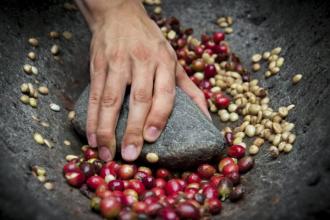
With unique natural conditions, Ethiopian coffee flavor, characteristics, taste and manor introduction
Ethiopia has unique natural conditions suitable for growing all imaginable varieties of coffee. As a upland crop, Ethiopian coffee beans are mainly grown in areas between 1100 and 2300 meters above sea level, roughly distributed in southern Ethiopia. Deep soil, well drained soil, weakly acidic soil, laterite and soil are soft and contain

Introduction to coffee production and price in Ethiopia
Ethiopia is one of the major producers of Arabica coffee in Africa, producing the best Arabian coffee in the world. It is said that coffee was first discovered by shepherds in Essekafa, and the name of coffee evolved from Kafa, so Essex is still the hometown of coffee. Coffee production and processing Thick you. My costly short term loans recomme

Kocher Estate Single Bean Flavor Description Variety Growing History Introduction to Region Treatment
Professional barista exchanges, please pay attention to coffee workshop (Weixin Official Accounts cafe_style ) Ethiopia Population: 93877000 Ethiopia's production area name is the most recognized in the coffee industry, and it is currently the country with the largest number of coffee names as production area names. Today, the future is predictable. In addition, Arabica genes of original species and wild species

Ethiopian coffee bean native species of coffee bean producing area description of taste and flavor
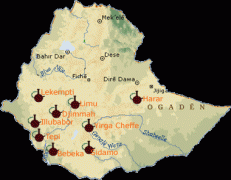
Ethiopia has nine major coffee producing areas:, Sidamo, Yegashefi, Hara, Gemma, Lim, Iruba, Gimbi (Lekanti), Tibby, and Bebeca. Among the nine major coffee producing areas in Ethiopia, the most famous are Yegashifi, Sidamo and Harald, the largest coffee producing areas.

Ethiopian Coffee Estate Introduction and Flavor Description Ethiopian Coffee Estate
Professional coffee knowledge exchange More coffee bean information, please pay attention to coffee workshop (Weixin Official Accounts cafe_style) in the Bible. In Genesis, Adam and Eve were expelled from the Garden of Eden for eating the fruit of the Tree of Knowledge. This fruit, since childhood reading books have been identified as apple (snake) fruit undoubtedly. But in fact, the Bible never mentions it by name; the first coffee tree happens to be the same tree
The Storm in the Coffee Cup (Middle)-the tragic Appeal of Ethiopia
It is said that Ethiopia in poor countries is preparing to fight a century lawsuit with Starbucks in rich countries, which has attracted global attention. Ethiopia plays the grief card, and the global media and humanitarian organizations almost lean to the weak. Egypt uses Starbucks' popular "partner Sun Sidama" (Shirkina Sun-Dried Sidamo) as an example to tell the bitterness of coffee farmers: southern Ethiopia.

Introduction to the characteristics of Water washing G2 Flavor of Kudi Cooperative in Kafa Forest area of Ethiopia
From the most primitive forest in Ethiopia, Kaffa Region, the Kafa forest in southwestern Ethiopia, to this day, the Kafa forest still maintains the forest appearance of the traditional Ethiopian primeval forest, while retaining a considerable number of native coffee varieties. Many cup testers who have tested the Kafa producing area agree that this producing area has a considerable variety of flavor performance. Located in Ethiopia

The story of coffee in the Cochelle Godocha region of Ethiopia. How do the coffee beans taste good?
Professional coffee knowledge exchange more coffee bean information please follow coffee workshop (Wechat official account cafe_style) name: Ethiopia Cochelle fruit docha G1 baking degree / treatment: shallow medium culture / sun treatment flavor description: dried fruit, tea, grape, citrus, fruit-like sweetness, Body full coffee introduction: near Ethiopia Oromia (Oromia R)
Description of flavor and flavor of washed G1 coffee in Lim, Ethiopia
For the exchange of professional baristas, please follow the coffee workshop (Wechat official account cafe_style) Ethiopia Washed Limu Gera G1 CoffeeReview 94 points there are eight major producing areas of Ethiopian coffee: Ekempti, Limu, Illubabor, Djimma, Harrar, eppi/Bebeka, Sidamo, Yirgacheffe. Review of Ethiopian Coffee in Taiwan
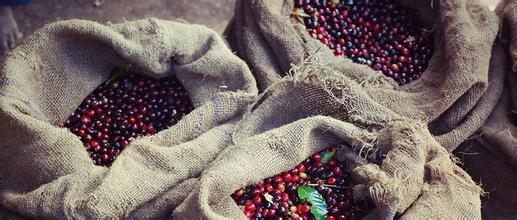
Detailed introduction of Ethiopia-Cochel kochere coffee beans
Country: Ethiopia Grade: G2 production area: Yejia Xuefei Baking degree: shallow Baking method: water washing Variety: local Native species Flavor: Jasmine fragrance, Lemon, Bergamot, Honey and Grapefruit Cochel is located in a small producing area 25 kilometers southeast of Yega Sheffield, Ethiopia. It is a rich area for coffee production, and it is also one of the three famous and micro-producing areas of Yegashafi.

Introduction of some of the most special coffee producing areas in Ethiopia introduction of ECX professional evaluation of flavor
For the exchange of professional baristas, please follow the coffee workshop (Wechat official account cafe_style) Ethiopian washed Yega Xuefei G1 Clinique LOT#2 (Ethiopia Yirgacheffe Hanchebe Lot#2 Washed) flavor description: ginger sugar, coffee blossoms, Earl black tea, bergamot, Yoledo green tea, honey sweetness, delicate and changeable acidity, brown sugar tail rhyme. Country of origin: Ethiopia

Variety characteristics of fermented Natural Solar Ethiopian Coffee introduction to Fine Coffee Bean in Manor
Ethiopia has unique natural conditions suitable for growing all imaginable varieties of coffee. As a upland crop, Ethiopian coffee beans are mainly grown in areas between 1100 and 2300 meters above sea level, roughly distributed in southern Ethiopia. Deep soil, well drained soil, weakly acidic soil, laterite and soil are soft and contain
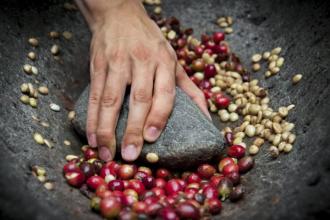
Taste characteristics of Solar fermented Natural Ethiopian Coffee introduction to Fine Coffee Bean in Manor
Ethiopia has unique natural conditions suitable for growing all imaginable varieties of coffee. As a upland crop, Ethiopian coffee beans are mainly grown in areas between 1100 and 2300 meters above sea level, roughly distributed in southern Ethiopia. Deep soil, well drained soil, weakly acidic soil, laterite and soil are soft and contain

How does oromia wash Sidamo G1 coffee taste? Guji producing area washed Lion King coffee beans.
Professional coffee knowledge exchange more coffee bean information please follow the coffee workshop (Wechat official account cafe_style) Ethiopia washed Sidamo G1 Guji District Humbera Town Coffee Flavor Taste description Ethiopia washed Sidamo G1 Lion King Guji producing area (Ethiopia Sidamo Lion King Washed G1) introduction: friends who like washing Ethiopia
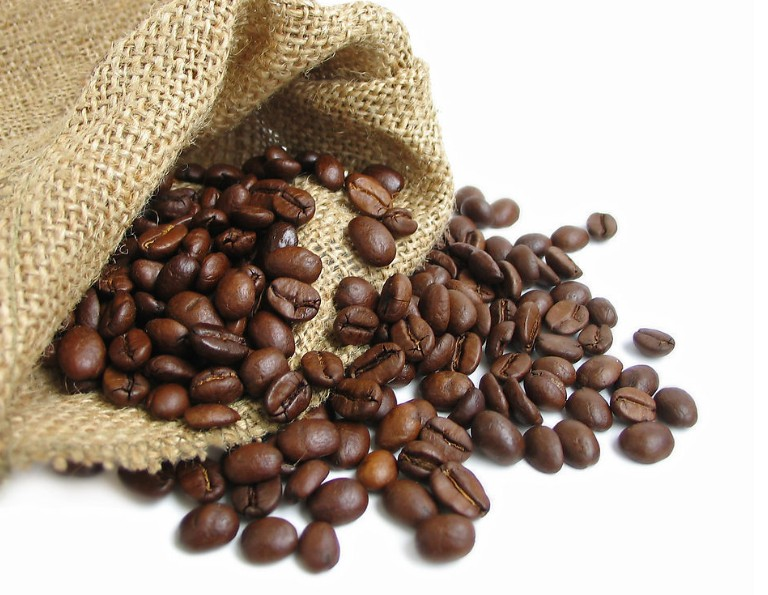
Natural fermentation, mellow and sun-dried Ethiopian coffee flavor, characteristics, taste and manor introduction
Ethiopia has unique natural conditions suitable for growing all imaginable varieties of coffee. As a upland crop, Ethiopian coffee beans are mainly grown in areas between 1100 and 2300 meters above sea level, roughly distributed in southern Ethiopia. Deep soil, well drained soil, weakly acidic soil, laterite and soil are soft and contain